Skin Resurfacing
in Toronto

Refining the Skin You’re In
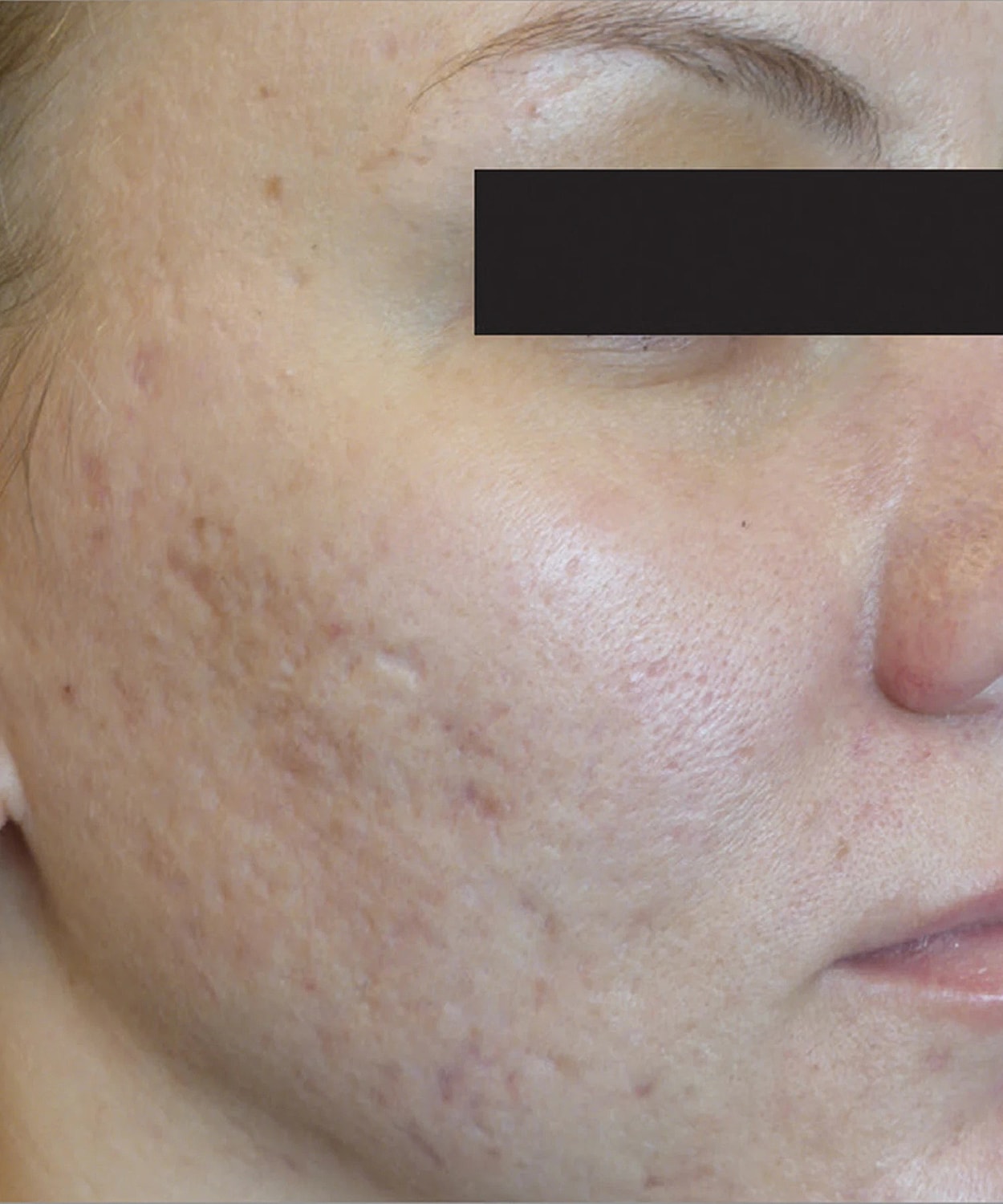
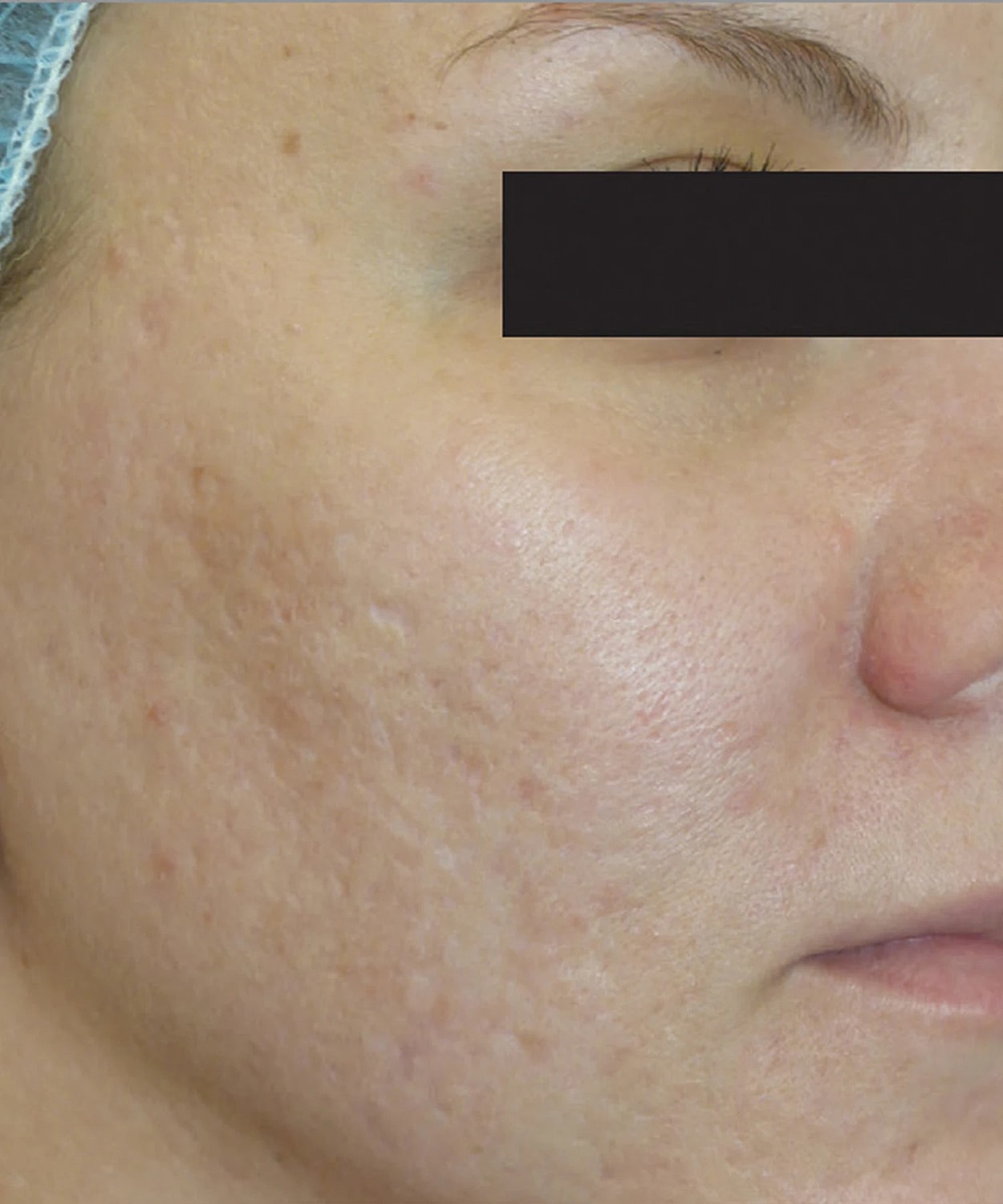
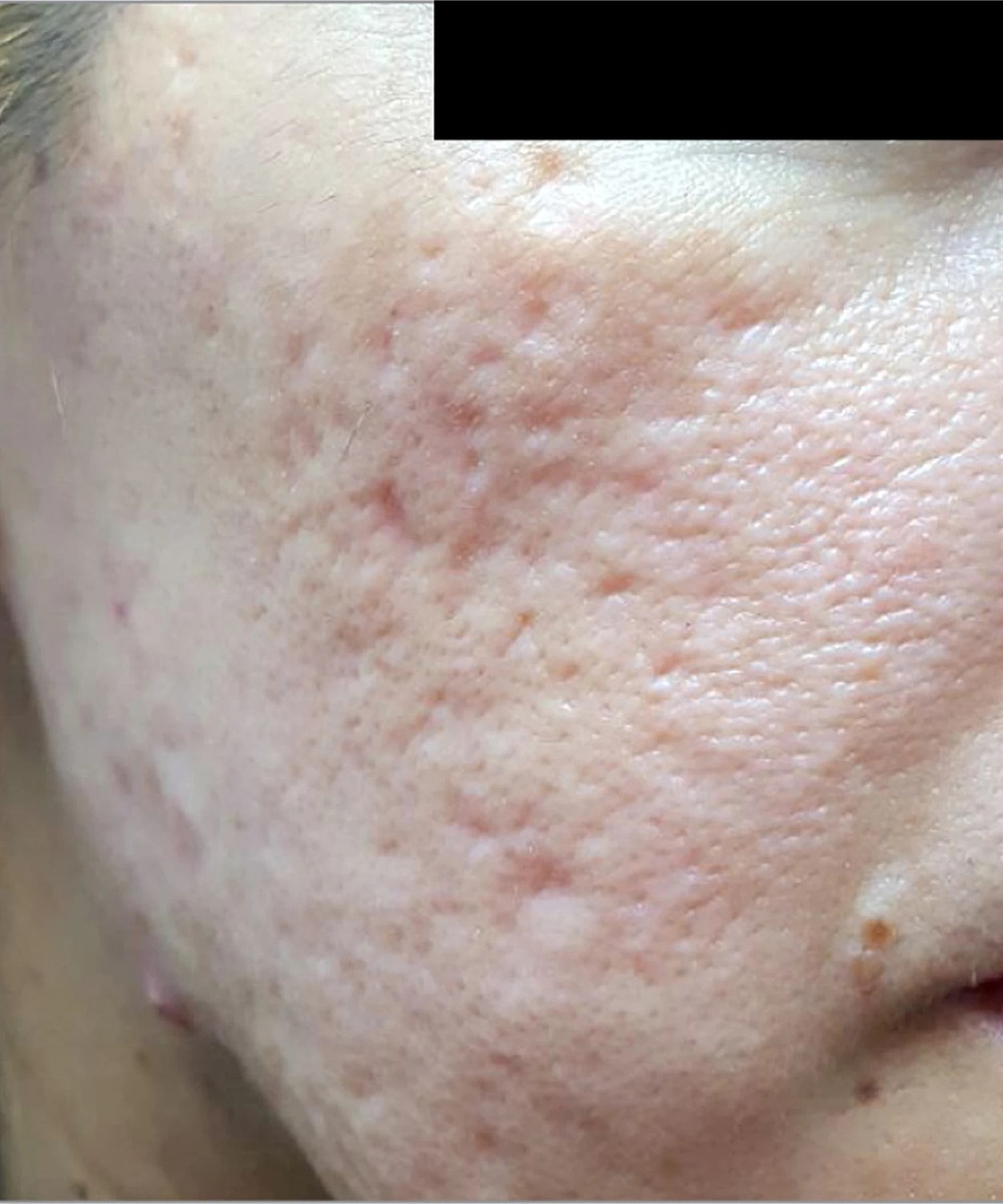
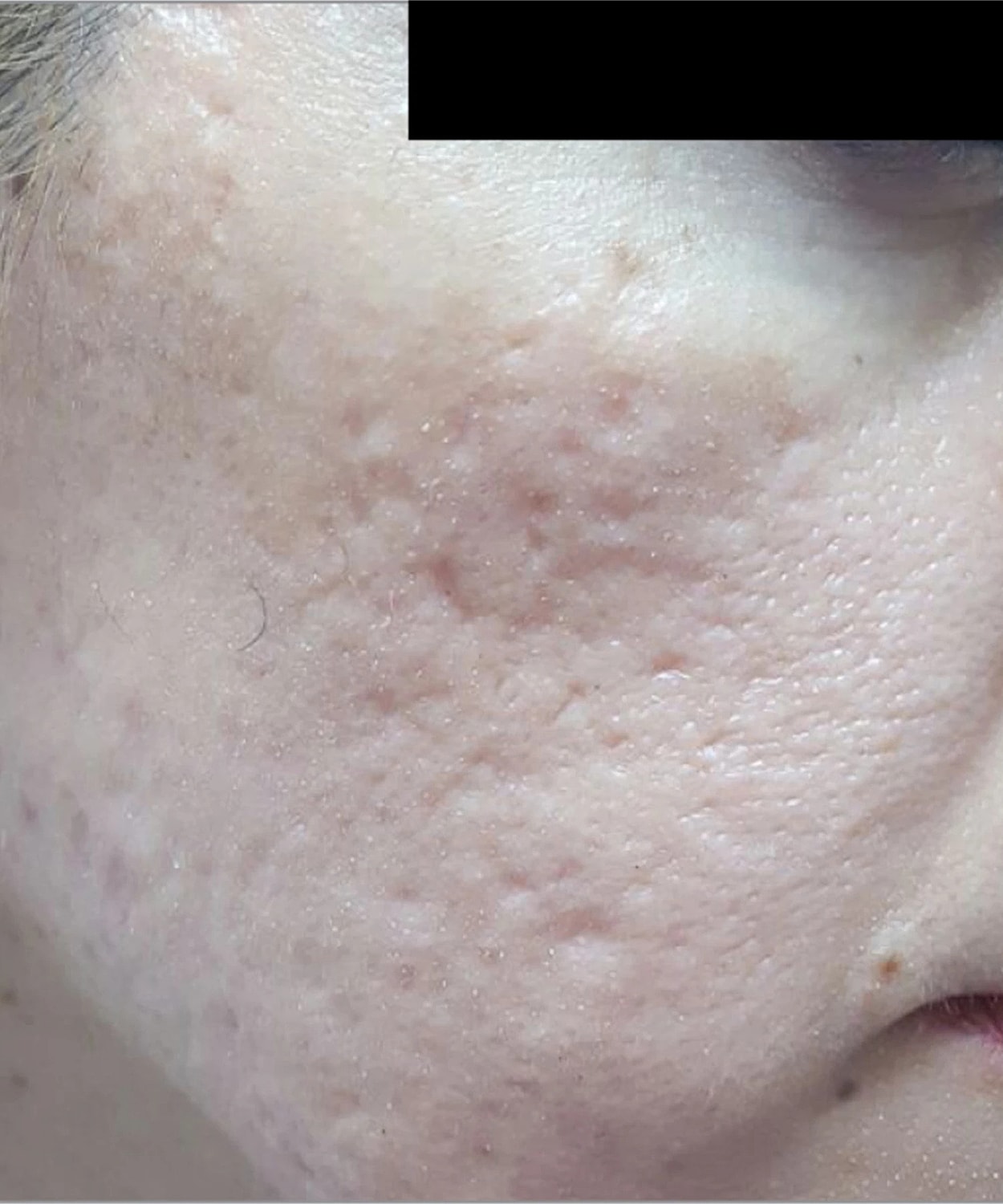
Acne scars, enlarged pores, wrinkles, stretch marks, and uneven texture can stay visible even when your skin is otherwise healthy. You might notice makeup settling into rough areas, old acne marks catching the light, or skin that simply doesn’t feel as smooth as it used to. At FORM Face + Body, a med spa in Toronto, we use Venus Versa NanoFractional radiofrequency (RF) for skin resurfacing. This treatment makes small, controlled areas on the skin to boost healing and collagen, so your skin can slowly become smoother and more even.
If you’re unsure whether skin resurfacing, a peel, IPL, microneedling, or another treatment is right for you, a consultation can help. We’ll look at your skin’s texture, pigmentation, redness, laxity, or volume loss and explain your options clearly.
1 of 2
Renewal, Layer by Layer
Achieving healthy, beautiful skin is easier than ever thanks to non-surgical skin resurfacing treatments with Venus Versa™. This technology uses small pins to safely deliver energy through the skin’s surface, creating tiny wounds that the body naturally heals.
This process repairs signs of damage seen on the surface of the skin for noticeably smoother, healthier-looking skin. Keep reading to learn more about skin resurfacing in Toronto and whether it is right for you.
Refining What Shows on the Surface
Skin resurfacing works best when the concern involves the skin’s surface or texture. Treatment may help improve:
Skin resurfacing is not the best choice for every skin issue. Dark spots, age spots, redness, broken capillaries, loose skin, or volume loss might be better treated with other options.

A Smoother, More Refined Finish
For the right patient, Toronto skin resurfacing with Venus Versa can:
The aim is to improve your skin, not to make it completely poreless or free of scars. The results you see will depend on your skin, the type and depth of your concerns, and the treatment settings used for you.
Designed Around Your Skin
Safe for all skin tones, our skin resurfacing technology is suitable for everyone. Good candidates for skin resurfacing treatments in Toronto are those who show signs of skin damage, including deep wrinkles, scars, visible pores, stretch marks, or other textural concerns.
Your provider will look at your skin type and tone, current condition, medical history, medications, recent sun exposure, past treatments, and the area you want treated. If you have irritation, infection, a recent tan, or certain health issues, you may need to wait or choose another treatment. If you’re comparing skin resurfacing procedures, your consultation can help determine whether texture is the main concern, what Venus Versa can realistically improve, and whether another treatment would make more sense for pigmentation, redness, laxity, or superficial exfoliation.
Precision Beneath the Surface
The Venus Versa NanoFractional RF handpiece uses small pins to deliver radiofrequency energy through the skin’s surface. This creates many tiny treatment zones instead of removing or treating the entire outer layer at once. These controlled micro-injuries start the skin’s healing process and stimulate collagen growth. Healthy tissue remains between the treated areas, which helps support faster recovery.
A Controlled Approach to Renewal
Before treatment, your skin will be cleaned and a numbing cream will be applied to keep you comfortable. As the device moves over your skin, you might feel the small pins, a quick zap, and some heat. Afterward, your skin usually feels warm, like a mild sunburn. A treatment generally takes about 30 minutes or less. We typically recommend three treatments spaced about four weeks apart, although your plan can vary based on your skin and how it responds.
A Softer Return to Routine
Reveal the Change Gradually
As the redness goes away, you may see your skin start to look smoother, but the full results take time. Collagen rebuilding and new skin cell growth keep happening after each treatment. Your skin’s texture, pore size, acne scars, and wrinkles can keep getting better for weeks or months after your treatments. Results vary—shallow scars may improve more than deep ones, and resurfacing can soften scars or wrinkles but may not remove them completely.
Supporting Your Skin Over Time
Results from skin resurfacing can last a long time, but the treatment won’t stop aging or prevent future skin damage. Sun exposure, UV rays, your skincare routine, and natural collagen changes will still affect your skin as time goes on. Using sunscreen every day and following a good skincare routine at home can help keep your skin looking its best after treatment. You might also need occasional resurfacing sessions, depending on your goals and how your skin reacts.
Clarity Before Treatment
While your skin heals, you might have some redness, warmth, swelling, tenderness, or small marks or crusting. Less common risks include changes in skin color, longer irritation, blistering, infection, or scarring with energy-based resurfacing. For our patients in Toronto skin resurfacing treatments are extremely safe when administered by qualified practitioners for suitable candidates. Certain pre-existing medical conditions may prevent you from receiving treatment. This will be discussed with you during your initial consultation.
Choosing the Right Path for Your Skin
Skin resurfacing includes several types of procedures. Radiofrequency resurfacing, laser treatments, microneedling, chemical peels, and IPL each work in their own way. The best option depends on what you want to improve and how much downtime you’re okay with.

The Venus Versa treatment is not laser skin resurfacing. Laser skin resurfacing works with focused light energy. Ablative lasers such as CO2 and erbium remove controlled portions of the outer skin layer, or epidermis, while heating deeper tissue to stimulate collagen. Non-ablative laser treatments leave the surface more intact and generally involve less downtime.
Venus Versa uses NanoFractional RF, not laser energy. It treats small areas and leaves the surrounding skin untouched. If you’re looking into laser skin resurfacing in Toronto, it’s important to know that treatment strength, recovery time, and how well it works for different skin tones can vary.
Microneedling creates controlled micro-injuries with needles to stimulate collagen production. Venus Versa also creates controlled treatment zones but adds radiofrequency energy and micro-ablation. Both may be considered for texture, enlarged pores, and acne scars.
Chemical peels use acids or other chemical solutions to remove damaged skin cells at a selected depth. Lighter peels can improve brightness and superficial texture with little downtime, while deeper peels involve a longer healing process.
IPL uses pulses of light and may make more sense when uneven skin tone, dark spots, age spots, sun damage, or visible redness are the main concerns. Skin resurfacing is more directly focused on texture, scars, pores, and wrinkles.
A Plan Tailored to Your Skin
The cost of skin resurfacing in Toronto depends on the treatment area and the plan recommended for you. We provide a personalized quote rather than using one price for every patient, and we can review financing options. Because a typical plan includes a series of treatments, your provider can also explain how many sessions are recommended and whether another treatment would add more value for concerns Venus Versa does not directly address.
Where Technology Meets Judgment
At FORM Face + Body, skin resurfacing is just one part of our full range of aesthetic services. We look at your skin’s texture, pigmentation, redness, laxity, volume, and overall health to see if Venus Versa is the right choice for your needs. At our Toronto clinic, we offer non-surgical treatments, plastic surgery, skincare, wellness, and advanced technology all in one place. We plan your treatment based on expert judgment, your unique skin, and what’s realistic for you, and we’ll suggest other options if they’re a better fit.
Define What Your Skin Needs Next
If you’re bothered by acne scars, large pores, wrinkles, stretch marks, or uneven texture, a consultation can help you find out if Venus Versa skin resurfacing is right for you and what kind of results you can expect. Your provider will look at your skin type and tone, the depth and type of your concerns, past treatments, medical history, and how much recovery time you’re comfortable with. You’ll also be able to talk about treatment strength, number of sessions, expected results, risks, other options, maintenance, and cost before making a decision.
Once you send in your request, a Patient Coordinator from FORM Face + Body will call to confirm your appointment and answer any questions you have. A consultation fee is required to secure your appointment time.
No. The treatment on this page uses NanoFractional radiofrequency rather than laser energy. The applicator creates controlled treatment zones with RF energy to support skin renewal.
Not exactly. Both create controlled micro-injuries, but devices differ in how the skin is treated and where energy is delivered. Your provider can recommend the approach that better fits your concern.
Venus NanoFractional RF is designed for use across a wide range of skin tones. Individual assessment still matters because skin history, pigmentation concerns, recent sun exposure, and treatment settings can affect risk.
We typically recommend three treatments spaced about four weeks apart. Your plan may vary based on your skin and response.
You can expect about 24 hours of initial recovery. Redness and warmth are common, although some patients may have visible effects for several days.
Yes. Acne scars are one of the main concerns treated with NanoFractional RF. The amount of improvement depends on the type and depth of the scarring.
CO2 resurfacing is an ablative laser procedure that removes controlled portions of the outer skin layer and generally requires more recovery. The Venus Versa treatment uses NanoFractional RF and is designed around a shorter healing period.
Venus post-treatment guidance recommends avoiding makeup and other products on the treated skin for the first 24 hours. Follow the specific instructions we provide you after treatment.
Yes, when another treatment addresses a separate concern. IPL may be used for pigmentation or redness, for example, while resurfacing focuses more on texture. Your provider can determine how treatments should be spaced and whether combining them is worthwhile.